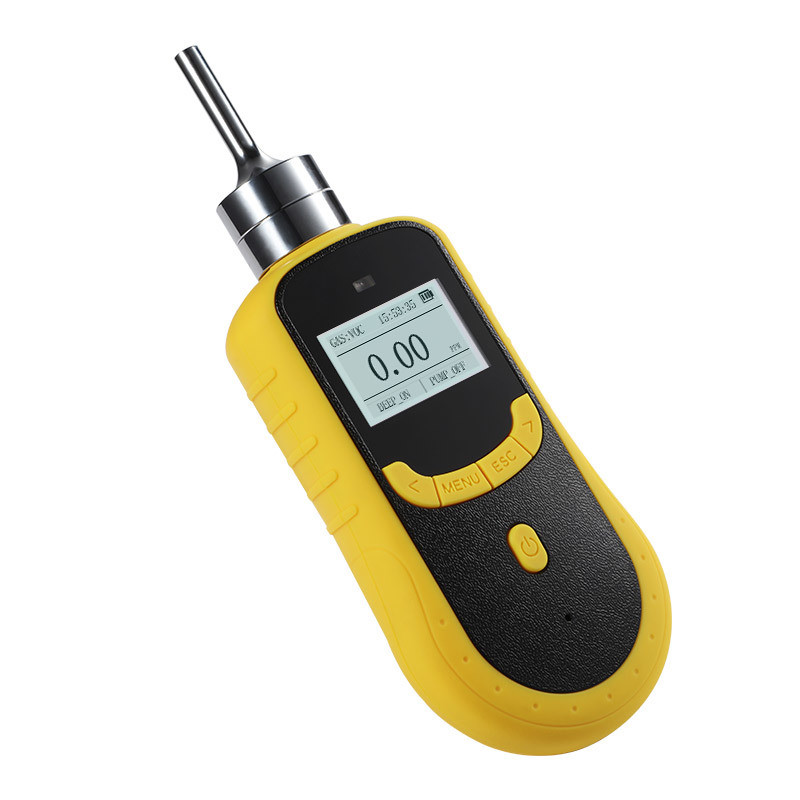
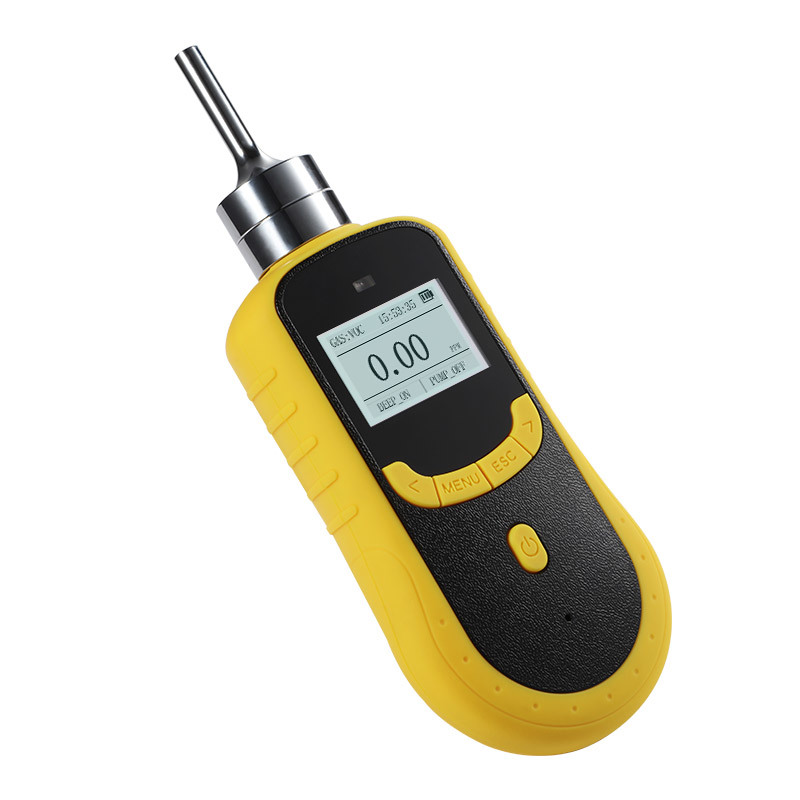
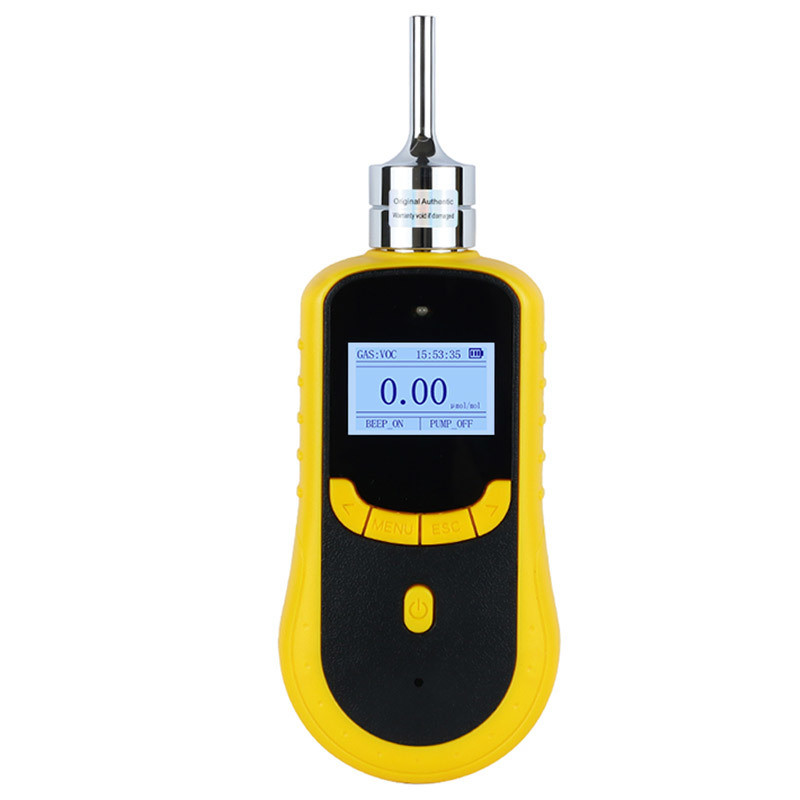
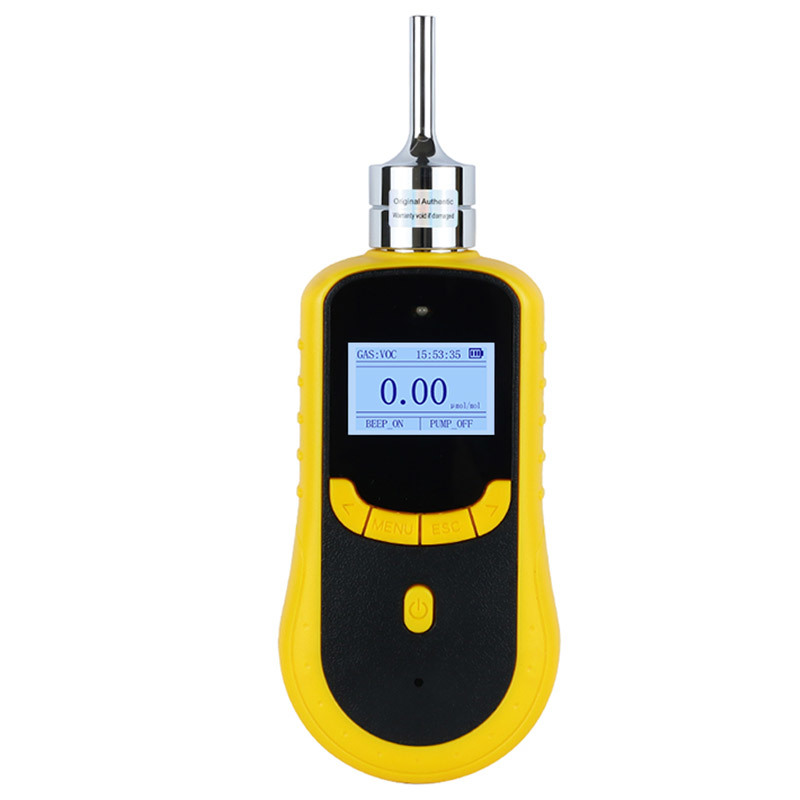
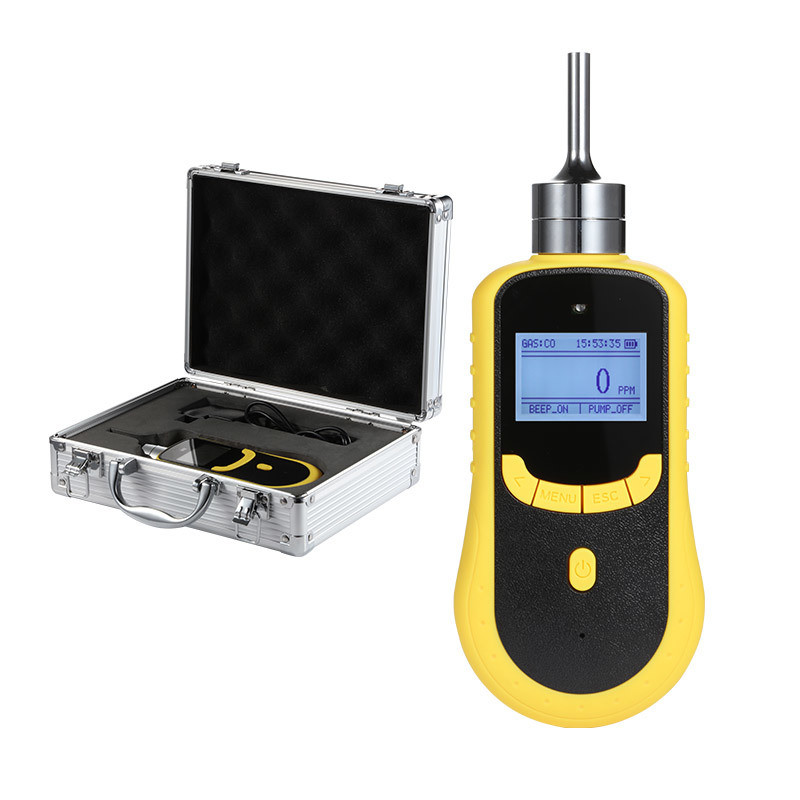
SKY2000 Portable Gas Detector for PH3 Fumigation Residual with 0–20ppm Range
Short Description
A fast-response, high-accuracy handheld gas detector with built-in sampling pump, designed for phosphine (PH₃) fumigation residual monitoring. Measures from 0–20ppm with 0.01ppm resolution using an electrochemical sensor. Features Ex ia IIC T4 Ga explosion-proof certification, IP66 protection, 100 hours runtime (pump off), and triple alarm (sound, light, vibration). Essential for fumigation safety in grain storage, tobacco, timber, and container inspection.
Product Overview
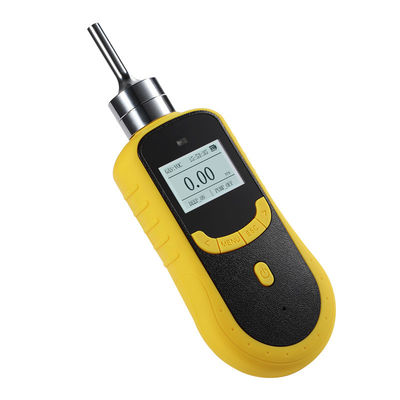
The SKY2000 series is a portable, pump-suction gas detector designed for fast response and high accuracy. With an internal sampling pump, it actively draws air for immediate analysis – ideal for spot-checking fumigated spaces. The unit is housed in high-intensity engineering plastic, making it suitable for harsh environments.
Taking phosphine (PH₃) as an example – a common fumigant for grain, tobacco, and timber – the SKY2000 detects residual concentrations from 0–20ppm with a fine 0.01ppm resolution, ensuring safe re-entry and compliance with occupational exposure limits. The detector supports span calibration and zero calibration for reliable readings, plus a one-key factory reset. Data logging is optional (up to 100,000 readings) and can be exported to a PC via USB without additional software.
Why Detect Phosphine (PH₃) in Fumigation?
What is Phosphine (PH₃)?
Phosphine is a highly toxic, colorless, flammable gas with a distinctive odor of garlic or decaying fish. It is widely used as a fumigant to control insects and rodents in:
| Industry |
Application |
| Grain storage |
Silos, warehouses, shipping containers (wheat, corn, rice, barley) |
| Tobacco |
Cured tobacco leaves and finished products |
| Timber & wood products |
Wood-boring insect control |
| Food processing |
Dried fruits, nuts, spices, animal feed |
| Empty cargo containers |
Preventing cross-contamination |
| Museums & archives |
Insect pest control in artifacts |
How PH₃ Fumigation Works
- Aluminum phosphide (AlP) or magnesium phosphide (Mg₃P₂) pellets react with atmospheric moisture to release PH₃ gas
- The gas penetrates deep into stored commodities, killing all life stages of insects (eggs, larvae, pupae, adults)
- Fumigation typically lasts 3–10 days, followed by aeration to remove residual gas
Why Monitor Residual PH₃ After Fumigation?
Even after aeration, dangerous residual PH₃ can remain in confined spaces (deep grain piles, container corners, under tarpaulins). Monitoring ensures worker safety before re-entry.
| Concentration (ppm) |
Health Impact |
| 0.3 ppm |
OSHA PEL (8-hour TWA) |
| 1.0 ppm |
NIOSH recommended exposure limit (15 min ceiling) |
| 3 ppm |
Immediate eye/nose irritation, headache, nausea |
| 10 ppm |
Severe respiratory distress, pulmonary edema |
| 20 ppm |
Life-threatening; can be fatal with short exposure |
| 200–400 ppm |
Rapid unconsciousness and death (IDLH = 50 ppm) |
Key Fact: PH₃ has no cumulative effect in the body, but acute exposure can be fatal. Its odor threshold (~0.5–1 ppm) is higher than the safe exposure limit, meaning you cannot rely on smell alone – a detector is essential.
Where SKY2000 is used for PH₃ detection:
- Grain silos and warehouses – Post-fumigation clearance testing
- Shipping containers – Before opening after fumigation
- Tobacco curing barns – Worker safety during handling
- Timber treatment facilities – Residual gas monitoring
- Food processing plants – After pest control treatments
- Quarantine and border inspection – Container gas analysis
- Museums and archives – After artifact fumigation
- Emergency response – Leak detection during fumigant application
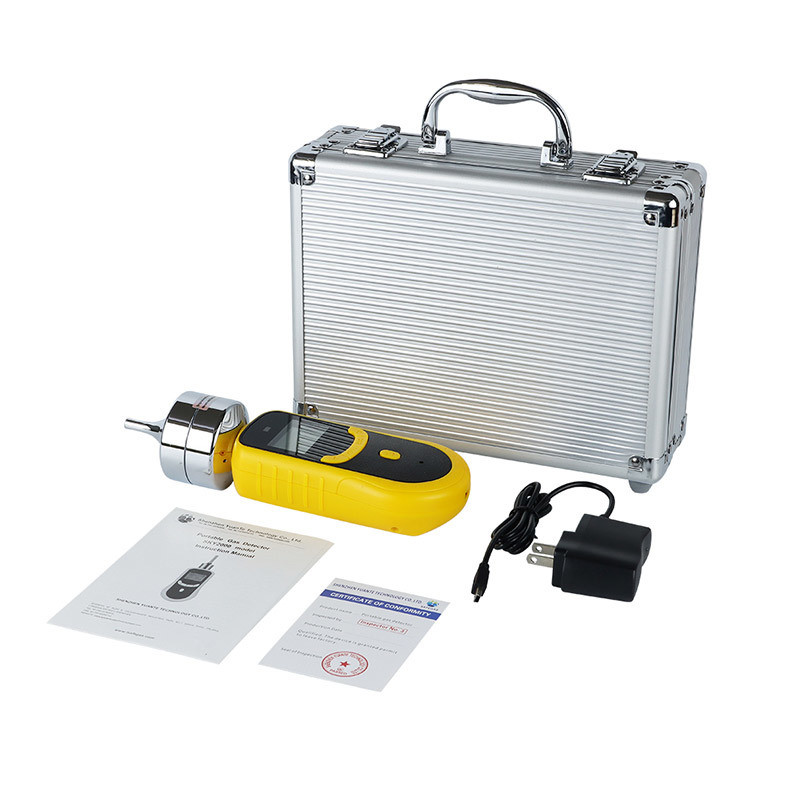
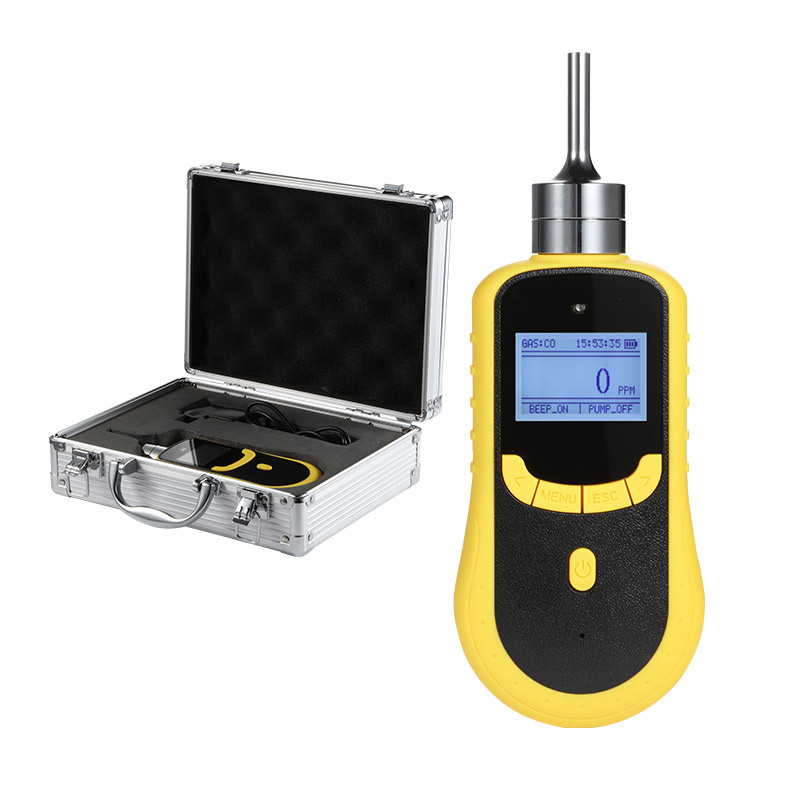
Product Pictures
Key Technical Specifications (for PH₃, 0–20ppm)
| Parameter |
Value |
| Gas Detected |
Phosphine (PH₃) – also supports CO, H₂S, O₂, LEL, and hundreds of other gases |
| Detection Principle |
Electrochemical |
| Measuring Range |
0 – 20 ppm |
| Resolution |
0.01 ppm |
| Precision |
≤ ±1–5% FS (depending on gas) |
| Response Time (T90) |
≤20 seconds |
| Repeatability |
≤ ±1% |
| Zero Shift |
≤ ±1% (FS/year) |
| Linearity Error |
≤ ±1% |
| Recovery Time |
≤10 seconds |
| Display |
LCD dot matrix display with backlight |
| Gas Unit |
Switchable (ppm, mg/m³) |
| Operating Language |
Chinese / English |
| Data Logging |
Optional – 100,000 readings, export to PC via USB (no software needed) |
| Sampling Method |
Built-in pump (active suction) |
| Alarm Mode |
Sound (buzzer), light (flashing LED), vibration |
| Explosion-Proof Grade |
Ex ia IIC T4 Ga |
| Protection Grade |
IP66 |
| Operating Temperature |
-20°C to +50°C |
| Operating Humidity |
0–95% RH |
| Operating Time |
100 hours (pump off) |
| Dimensions |
205 × 75 × 32 mm |
| Weight |
300 g |
Main Features
- Built-in sampling pump – Fast air intake, ideal for spot-checking fumigated containers and grain silos.
- High accuracy for low-level PH₃ – 0.01ppm resolution detects residual concentrations below OSHA PEL (0.3 ppm).
- Electrochemical sensor – Specifically optimized for PH₃ detection with good stability.
- Explosion-proof certified – Ex ia IIC T4 Ga for use in potentially explosive fumigation environments (PH₃ is flammable).
- Rugged and portable – IP66 dust/water resistant, high-strength plastic housing, weighs only 300g.
- Flexible calibration – Span and zero calibration functions for reliable long-term performance.
- One-key factory reset – Quickly restore default settings.
- USB data export – Optional 100,000-record logging; export to PC without drivers or software.
- Triple alarm system – Audible, visual (flashing LED), and vibration alarms – crucial in noisy industrial environments.
- Long battery life – 100 hours continuous operation with pump off; pump on reduces runtime but still adequate for a full work shift.
- Switchable gas units – ppm / mg/m³ easily toggled.
Typical Applications for PH₃ Fumigation Residual Detection (Detailed)
The SKY2000 is the industry standard for post-fumigation safety testing:
- 1. Grain Silos and Bulk Storage
- After aeration, test residual PH₃ at various depths using the pump with a long probe
- Ensure levels are below 0.3 ppm before workers enter
- Re-test after turning grain or during out-loading
- 2. Shipping Containers (Fumigated)
- Containers fumigated with PH₃ for export/import quarantine
- Test before opening – residual gas can accumulate in sealed boxes
- Typical test: insert probe through door seal or specially designed port
- 3. Tobacco Warehouses
- Phosphine used to control beetle and tobacco moth
- Monitor during aeration and before handling cured leaves
- 4. Timber and Wood Treatment
- Fumigation of logs, lumber, and finished wood products to kill wood-boring insects
- Test inside stacks and under covers
- 5. Food Processing Facilities
- Flour mills, rice mills, nut processing plants, spice grinding operations
- After pest control fumigation, test production areas, conveyors, and bins
- 6. Container Inspection at Ports/Borders
- Quarantine officers use SKY2000 to screen arriving containers for residual PH₃
- Prevents worker exposure during unloading
- 7. Empty Cargo Containers
- Some empty containers carry residual PH₃ from previous fumigated cargo
- Test before reuse or repair
- 8. Museums and Archives
- Artifacts and documents fumigated with PH₃ for insect control
- Test display cases and storage rooms before handling sensitive materials
- 9. Grain Transport Holds (Ships, Railcars)
- Test railcars and ship holds after fumigation and before loading/unloading
- 10. Emergency Leak Response
- Detect accidental release during fumigant application (e.g., aluminum phosphide tablets in water)
- Monitor perimeter and evacuation zones
Safety Note on PH₃ Fumigation
- PH₃ is pyrophoric – It can spontaneously ignite in air at high concentrations (>1.8% by volume). Use explosion-proof equipment (SKY2000 is Ex ia IIC T4 Ga).
- PH₃ is corrosive to copper and some metals.
- Aluminum phosphide residues can continue to generate PH₃ if exposed to moisture. Even after aeration, re-gassing can occur.
- Always use a pump with a probe to sample from deep within stacks or containers – surface readings may be safe while hazardous pockets remain.
Company Introduction
Shenzhen YuanTe Technology Co., Ltd. (brand: Safegas) was established in 2010 and specializes in the R&D, manufacturing, and sales of gas detection equipment and integrated systems. With over 16 years of industry expertise, the company serves sectors including grain storage, fumigation, oil & gas, chemicals, environmental protection, and municipal engineering. Their product portfolio includes portable gas detectors, fixed gas transmitters, gas analyzers, control panels, and calibration accessories. All products are manufactured under ISO9001 and ISO45001 management systems, holding international certifications such as IECEx, ATEX, and EMC. With an annual production capacity of over 80,000 units, YuanTe Technology supplies gas detection solutions to customers worldwide.
Company Advantages
- Fast response & high accuracy – T90 ≤20 seconds, resolution as low as 0.01ppm for PH₃.
- Built-in pump design – Active sampling reaches deep inside grain piles and containers.
- Explosion-proof certified – Ex ia IIC T4 Ga for flammable fumigation environments.
- Triple alarm – Sound, light, and vibration – never miss a warning.
- Long operating time – 100 hours runtime (pump off) – multiple shifts on one charge.
- Easy data management – USB export of 100,000 readings without additional software.
- One-key reset & calibration – User-friendly maintenance.
- Wide gas support – Hundreds of gases with interchangeable sensor types.
- Global service network – 24/7 customer support and fast delivery (5–7 working days typical).


 귀하의 메시지는 20-3,000 자 사이 여야합니다!